


Leading the way in sustainable English winemaking
Sustainability at Denbies is measured, independently verified and built into the way we grow, make and share our wines. As a founder member of Sustainable Wines of Great Britain, we are committed to practical standards, long-term stewardship and a lighter impact across the estate.
Our approach is underpinned by three major credentials: UKCCC Net Zero certified wine production, B Corp certification and a King’s Award for Enterprise for Sustainable Development. Together, they reflect how we care for our vineyard, woodland and wider landscape, while operating as both a working wine estate and a year-round visitor destination.



“As one of the founder members of Sustainable Wines of Great Britain, we are absolutely delighted that our wines are now produced with Net Zero impact,”
says CEO Chris White.
“We committed to a five-year Net Zero plan in 2022 and are proud to have delivered it in under two and a half years.”
UK’s First Net Zero Certified Wine (UKCCC)
Denbies became the first vineyard and winery in the UK to achieve Net Zero status to the UK Carbon Code of Conduct (UKCCC), covering wine production end to end. (May want to add a space here) Independently verified by Triage under the UKCCC framework, the assessment measured emissions across Scopes 1–3, including bottling, packaging and transport, alongside the estate’s natural carbon capture across vineyard, habitat and soil, confirming the estate sequesters more carbon than it emits.
Certified carbon balance: –96 tonnes CO₂e (including 2023 harvest and bottling)

B Corp Certified
Denbies is B Corp Certified, meeting high standards for social and environmental performance, accountability and transparency. With an overall B Impact Score of 102.5, the certification recognises responsibility across the whole estate, from vineyard and winery practices to people, visitors, governance and community impact.
It also reflects Denbies’ wider role in supporting independent local partners across the estate, from food and drink to wellbeing, retail and visitor experiences. It is independent proof that responsibility is not a campaign, it is built into how Denbies is run.

King’s Award for Enterprise
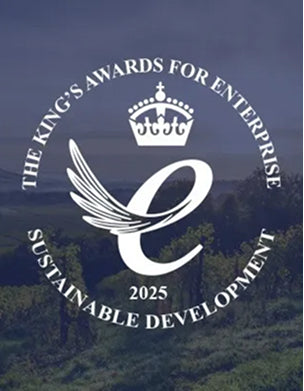
Denbies has been honoured with a King’s Award for Enterprise for Sustainable Development, recognising excellence in environmental responsibility, innovation and long-term sustainable growth. Announced on 6 May 2025, the award is one of the UK’s most prestigious business honours and places Denbies among 197 organisations nationally recognised that year.
For Denbies, it is a proud marker of continued progress across responsible wine production, sustainable tourism, biodiversity, renewable energy and independent environmental certification.
Sustainability grounded in place
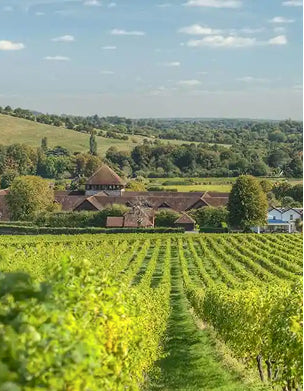
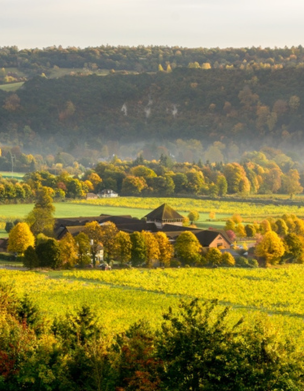
Denbies covers 380 acres in the Surrey Hills National Landscape, including 265 acres under vine and surrounding woodland. As both a working agricultural estate and a major visitor destination, environmental responsibility sits at the heart of every decision.Key sustainability commitments include:
Protecting and enhancing biodiversity
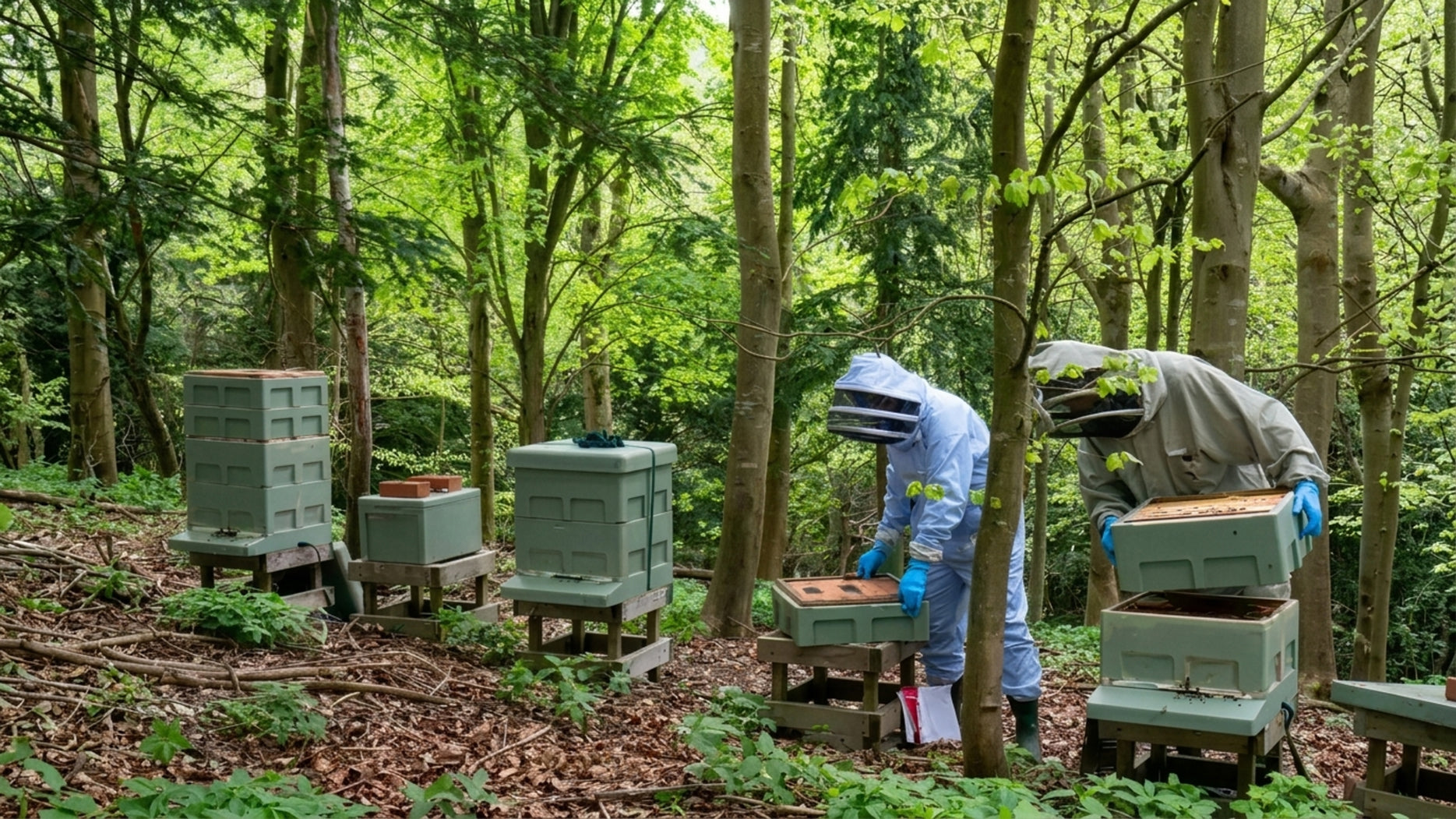
Ten acres within the vineyard are intentionally left untouched, allowing wildlife, native vegetation and natural habitats to flourish. These areas support healthier soils and create important space for birds, insects and other wildlife across the estate.
Alongside this, Denbies is working with Buglife and the Space4Nature project to restore flower-rich habitats across the vineyard. Through initiatives such as yellow rattle sowing and meadow management, the estate supports connected corridors for bees, butterflies and other pollinators.
Generating green energy on-site
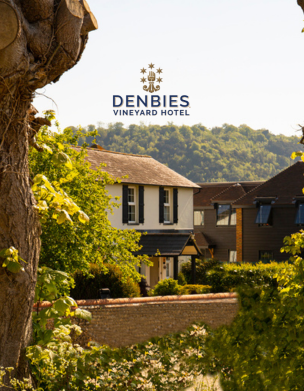
Solar arrays installed across the estate, including on the winery buildings, help generate renewable energy for day-to-day operations. At the Vineyard Hotel, investment in PV solar generation has doubled solar output, with panels feeding into Tesla battery storage and enabling the hotel to operate from its own independent energy source around the clock. EV charging points and cycle parking further support lower-impact visits to the estate.
Nature-led land management
Vineyard habitats, hedgerows, woodland areas and natural corridors are carefully managed to strengthen biodiversity, soil structure and long-term estate resilience. As part of Denbies’ carbon assessment, habitats and hedgerows were mapped, tree data from more than 7,000 trees was reviewed, and soil sampling was carried out across vineyard and permanent grassland areas. This gives the estate a clearer understanding of how the land stores carbon and supports the wider Surrey Hills landscape.
Why Net Zero matters for English wine
Net Zero wine production isn’t about offsetting, it’s about reducing emissions at source, understanding a vineyard’s natural capital, and managing land in a way that gives more back than it takes.
Denbies’ achievement sets a new benchmark for English wine, demonstrating how innovation in land management, precision viticulture and renewable energy can shape the future of sustainable winemaking.
As Pete Wain, Chief Product Officer at Triage, puts it:
“Denbies is playing its part in reversing climate change and biodiversity loss, while continuing to produce award-winning wine. Their commitment, transparency and long-term planning set a powerful example for the industry.”
A science-based, audited reduction plan
Denbies’ progress is supported by recognised sustainability standards and independent verification. Its wines are certified Net Zero under the UK Carbon Code of Conduct, and Denbies is a founder member of Sustainable Wines of Great Britain, helping ensure its approach is credible, measurable and transparent.
Denbies’ Net Zero position is backed by a detailed carbon assessment covering Scope 1, 2 and 3 emissions from wine production, including bottling and transportation, alongside carbon sequestration across the estate’s vineyards, habitats and soil. The latest verified figures show that Denbies sequesters more carbon than it emits, with a certified carbon balance of –96 tonnes of CO₂e.
Our ongoing journey
Net Zero is not a finish line; it is a foundation to keep building on. Denbies will continue to track, audit and improve its environmental performance year on year, supported by annual monitoring and a longer-term re-baseline process to measure change over time. This ongoing approach helps refine how English wine can be grown, crafted and enjoyed responsibly.
A certified, independently verified Net Zero process
Sustainability at Denbies is not a single project or certification, but an ongoing commitment to the land, the people who work here and the future of English wine. From Net Zero certified wine production and B Corp certification to biodiversity, renewable energy and careful stewardship of the Surrey Hills, every step helps shape a more responsible way forward.
Tours
Discover the story behind every glass
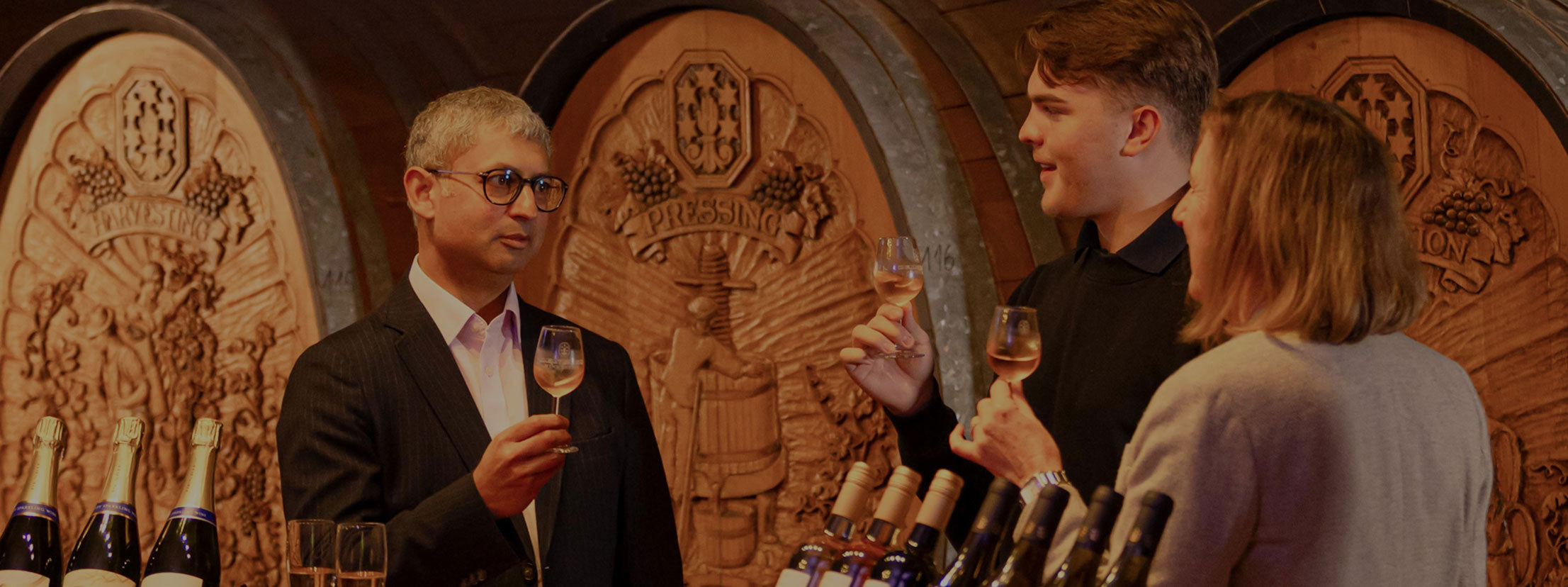
From guided tastings to vineyard trails, our tours invite you to discover how Denbies wines are made. Choose an experience and explore the estate.

Established 1986
England's Largest Single Estate Vineyard



Expansion of Guest Accommodation and Automation of Disgorging Line and Additional Riddling Capacity
Part funded by the European Agricultural Fund for Rural Development
